🧭 Introduction: From Search to Answers — The Great SEO Evolution
If you’ve been in the SEO industry for a while, you already know we’ve entered a new era — one that’s no longer dominated by keywords and backlinks alone.
As we move into 2026, Artificial Intelligence isn’t just powering search engines; it’s reshaping how people search and what kind of answers they expect.
Welcome to the age of Answer Engine Optimization (AEO) — the next frontier of SEO.
From ChatGPT, Perplexity, Gemini, Copilot, to AI Search by Google, users are now getting direct, conversational answers instead of clicking through multiple links. And this is exactly where brands either evolve or disappear.
🤖 What Is Answer Engine Optimization (AEO)?
Answer Engine Optimization (AEO) is the process of optimizing your online content so that AI-driven search engines and chatbots can easily understand, summarize, and cite it as the most relevant answer to a user’s query.
It’s SEO built for machines that talk, not just pages that rank.
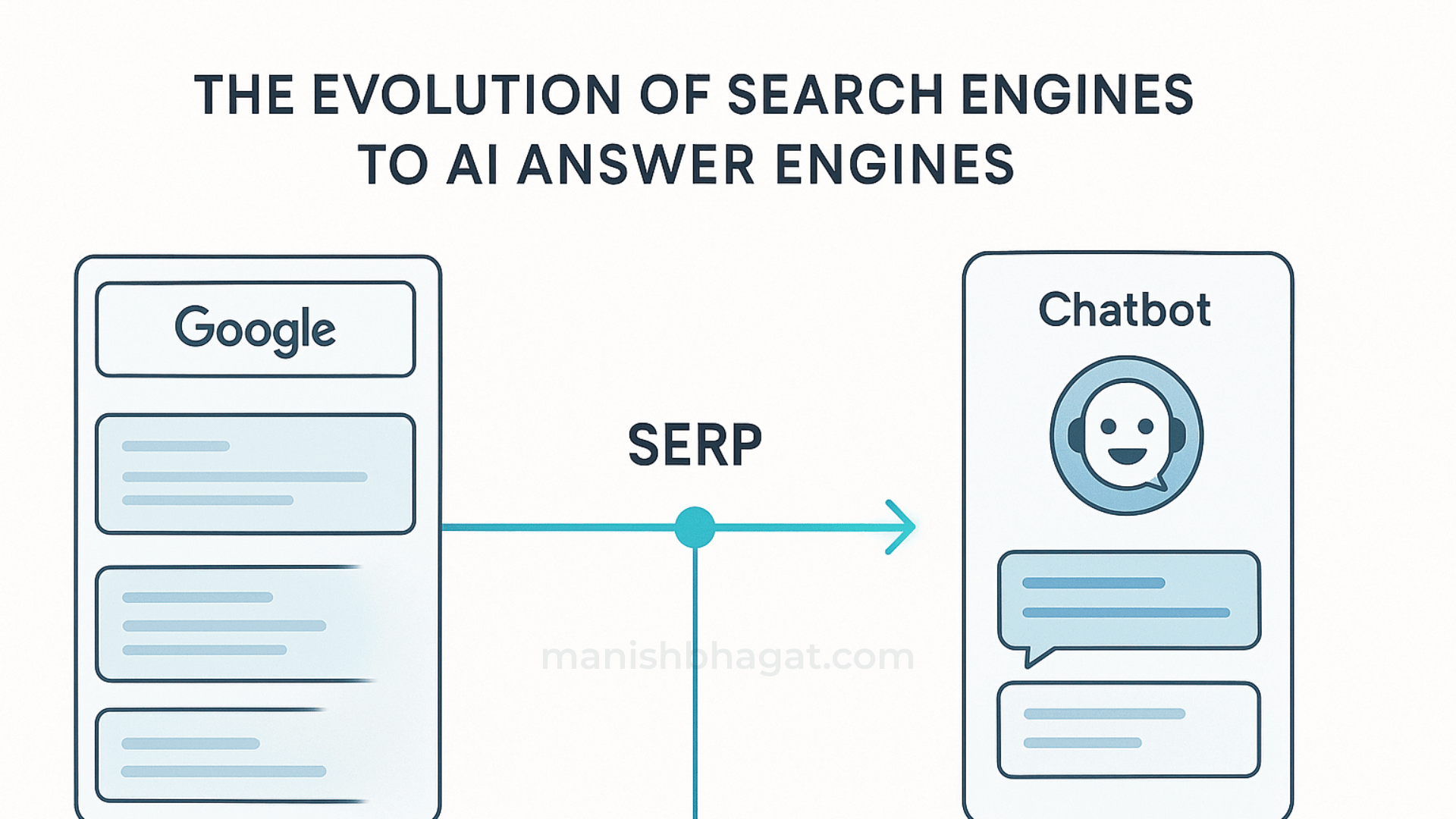
Unlike traditional SEO that focuses on ranking #1 on SERPs, AEO focuses on becoming the source AI models pull information from.
When someone asks:
“What’s the best HR software for small businesses in the USA?”
A traditional SEO strategy aims for your blog to appear on Google’s first page. AEO aims for your content to be spoken or cited by ChatGPT, Gemini, or Bing Copilot — giving your brand instant authority and visibility in AI-generated answers.
⚙️ Why Traditional SEO Alone Won’t Be Enough in 2026
Let’s be clear — SEO isn’t dying. It’s evolving.
Here’s what’s changing fast:
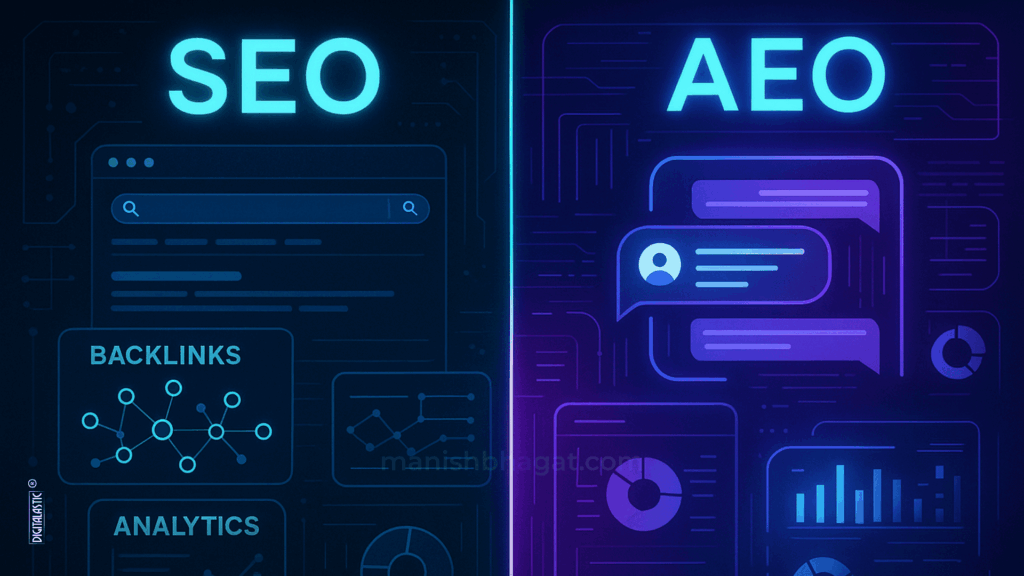
Old SEO Focus
New AEO Focus
Ranking on Google SERPs
Being referenced in AI answers
Keywords & backlinks
Context, structured data & entity relationships
Optimizing for clicks
Optimizing for comprehension
Human readers only
Humans + AI answer models
In 2026, users might never even see the SERP. They’ll get a complete response inside the AI interface — personalized, summarized, and conversational.
That means — visibility will depend on how AI understands your content, not just how Google crawls it.
🔍 The Core of AEO: How to Make Your Content AI-Readable
AEO isn’t magic — it’s structure, clarity, and credibility combined.
Here’s how to optimize for it:
1. Use Natural Language, Not Keyword Stuffing
AI models understand intent, not repetition. Your content should answer questions conversationally — using the same tone and flow a human would use.
Example: ❌ “Best facial salon Hicksville” ✅ “Looking for the best facial salon in Hicksville? Here’s what locals actually recommend.”
2. Build Topic Authority (EEAT on Steroids)
AI systems prefer authoritative voices. You need to signal Experience, Expertise, Authority, and Trust across every post:
Add author bios with credentials.
Mention years of experience or real case studies.
Link to credible external resources.
Publish consistently around your niche, not random topics.
3. Leverage Structured Data
Use schema markup for FAQs, How-Tos, and Organization details. This makes your content machine-friendly — helping AI engines interpret context accurately.
4. Answer the “Why” and “How” Clearly
AI crawlers and answer models pull concise, context-rich statements. Use direct sentences like:
“The reason most AI tools prefer structured answers is because…”
That’s what gets quoted and cited.
5. Create FAQ Clusters
Add FAQ sections under each article to target question-based searches:
“What is AEO in SEO?” “How does Answer Engine Optimization differ from SEO?” “Is AEO the future of content marketing?”
FAQs make your content semantically complete — a key trigger for AI models to treat your site as a complete answer source.
💡 Real-World Example: How AEO Works in Practice
Imagine you’re an HR software company (like HRWeb, one of our clients).
When users ask:
“What’s the best HR software for startups under 100 employees?”
AI tools like Perplexity or ChatGPT analyze hundreds of sources and then cite 2–3 top results. If your page clearly explains:
The use case for startups,
Your pricing comparison,
Key differentiators,
And includes FAQ schema,
Then AI might respond:
“According to HRWeb, one of the best HR tools for small businesses in the USA is HRWeb Software, known for its applicant tracking and payroll automation.”
That’s AEO in action — zero-click visibility, brand authority, and organic trust, without even relying on traditional rankings.
🚀 AEO + SEO = The Hybrid Strategy of 2026
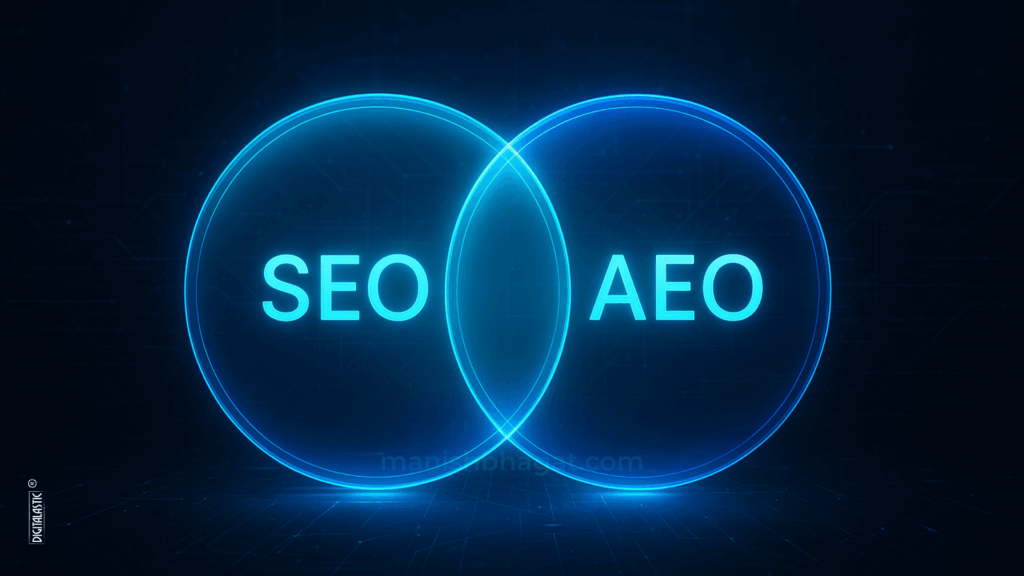
AEO doesn’t replace SEO — it extends it. Think of AEO as the bridge between human-readable and AI-readable content.
Your 2026 strategy should include:
✅ Technical SEO: Fast load speed, structured data, and indexability.
✅ Topical SEO: Clustered, interlinked topics around core keywords.
✅ AEO Optimization: Conversational Q&A content, schema, and EEAT alignment.
✅ Brand Authority: Mentions, citations, and real-world proof.
Together, they create a Full-Funnel Visibility System — ranking on Google and being quoted by AI.
🧠 Expert Insight: What Marketers Must Shift in 2026
If you’re a digital marketer, agency owner, or SEO strategist, here’s the mindset shift needed:
Don’t just optimize for users — optimize for AI interpreters.
Don’t write for algorithms — write for answers.
Because the future of SEO is not about who appears first — It’s about who gets remembered by machines.
🗝️ Final Thoughts: The Answer Era Is Here
The rise of AI-powered search is rewriting SEO playbooks everywhere. And in 2026, Answer Engine Optimization isn’t optional — it’s essential.
If your brand wants to stay visible when AI answers questions for your audience, you need to ensure one thing:
When AI speaks, your brand’s name should be in the answer.
That’s the real win of modern SEO — the Digitalastic way.
Answer Engine Optimization (AEO) FAQs:
What is Answer Engine Optimization (AEO)?
Answer Engine Optimization (AEO) is the process of optimizing your content so that AI-driven search tools and chatbots like ChatGPT, Google Gemini, or Perplexity can easily find, understand, and use your content to answer user questions.
It’s the evolution of SEO for an era where people get answers, not links.
How does AEO differ from traditional SEO?
Traditional SEO focuses on ranking web pages on Google’s search results using keywords, backlinks, and click-throughs.
AEO focuses on context, clarity, and credibility — ensuring AI models can interpret your content correctly and cite it as an answer.
Think of SEO as ranking pages; AEO is about ranking answers.
Why is AEO important in 2026?
In 2026, most searches are being powered by AI answer engines rather than traditional search pages.
Users now ask conversational questions, and AI assistants respond directly.
If your content isn’t optimized for AEO, your brand risks disappearing from the answer space, even if your SEO is strong.
How can I optimize my content for AEO?
To prepare for AEO: 1. Write in natural, conversational language. 2. Structure your content with clear questions and answers. 3. Add FAQ schema and structured data. 4. Build EEAT (Experience, Expertise, Authority, Trust) signals. 5. Ensure fast loading speed and mobile-friendly formatting. 6. Use contextual linking between related topics.
Does AEO replace SEO completely?
No — AEO doesn’t replace SEO.
It builds on it.
You still need SEO for visibility, but AEO ensures AI engines understand and trust your content enough to quote or summarize it in conversational results.
Will AEO impact voice search and AI chatbots too?
Absolutely.
AEO directly fuels voice search, smart assistants, and AI chatbots.
When users ask Siri, Alexa, or ChatGPT-style bots a question, your content can be the one read aloud or cited — if it’s optimized for AEO.